Home / Drawing register / Sheet 05
Sheet 05 · Consents
Do I need listed building consent? A plain guide for owners
The test is whether the work would affect the character of the building. That is broader than most owners expect, and not knowing a house was listed is no protection.
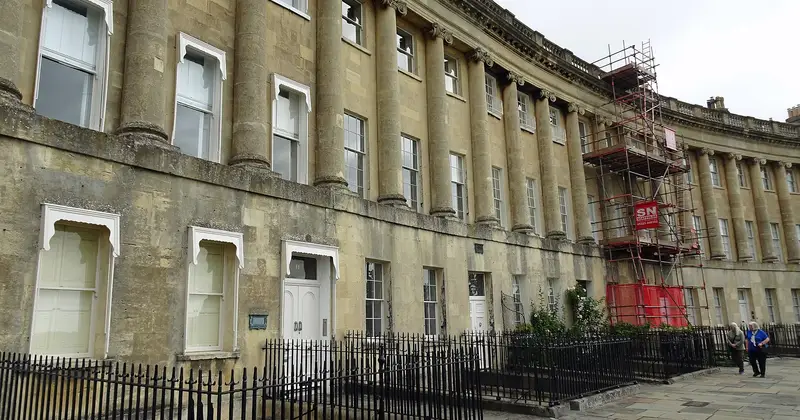

You need consent, in England, for demolishing any part of a listed building, and for altering or extending it in any way that would affect its character as a building of special architectural or historic interest. Government guidance says this applies irrespective of whether planning permission is also required, and that listing covers the whole building, inside and out, unless the list entry says otherwise. Carrying out such work without consent is a criminal offence. This page is general information for England, so check the position locally. Scotland, Wales and Northern Ireland run their own systems.
What counts as affecting character?
There is no national list of approved jobs, which is why the conversation with your conservation officer matters. The grade makes no difference to the need for consent: Grade II, Grade II* and Grade I are all covered, and Grade II is the most common. The examples below are drawn from SPAB's guidance on alterations, its roofing advice and the Planning Portal. Treat them as prompts for that conversation, not as rulings.
| Work | Likely position | Why it matters |
|---|---|---|
| Replacing windows, or fitting double-glazed units | Consent needed | SPAB: repair first, and glazing bars and old glass are part of the character |
| Removing historic plaster, panelling or fireplaces | Consent likely | Listing covers the interior |
| Moving internal walls or changing the plan | Consent likely | Layout can be part of the special interest |
| Changing slate type, ridge material or fixing method | Consent likely | SPAB roofing note lists these |
| Satellite dish, meter box, alarm, flue | Consent if it affects special interest | SPAB lists these as common triggers |
| Repainting in a new colour or paint type | Sometimes | SPAB: when it alters character or appearance |
| Like-for-like minor repair of a small defect | Often none, but ask | Depends on materials and what is disturbed |
Repairs are the awkward middle ground. Straightforward maintenance using matching materials may not affect character at all, but a "repair" that changes materials, removes historic fabric or alters a detail probably does. If you think a job falls outside consent and want it in writing, some authorities, such as Greenwich, describe a Certificate of Lawfulness of Proposed Works for this purpose.
Finding out what is listed
Do not rely on a sale particular or a neighbour. The Planning Portal directs applicants to the National Heritage List for England, held on Historic England's website, for grading details, and your local authority can also confirm it. The status includes objects or structures fixed to the building, plus any within its curtilage since 1948, so a garden wall or outbuilding can be caught too. Government guidance says listing applies to the entire building unless the list entry indicates otherwise, so read the entry itself and do not assume a feature is unprotected because nobody has mentioned it.
How to apply
- Talk first. Contact the conservation officer through your local planning authority with photographs and a description of what you want to do. Some authorities charge for pre-application advice, so ask.
- Understand the building. Applicants are expected to describe the significance of what is affected, and how that shaped the proposal. For a simple job, this can be short. For a complex one, a conservation-accredited architect or surveyor earns their fee here.
- Submit full details. The Planning Portal lists a site plan, location plan, heritage assessment and, for some applications, a design and access statement. Outline consent is not available, so the drawings need to show what will actually happen.
- Wait for a decision. The Portal says consent should be granted within 8 weeks of validation, including a 21-day consultation, and there is no fee for listed building consent itself. A combined planning application may carry a fee.
- Comply with conditions. Consent may specify details such as preserving certain features or making good. Breaking a condition is an offence too.
What happens if you skip it
Section 9 of the 1990 Act sets the penalties: on summary conviction up to six months' imprisonment or a fine or both, and on indictment up to two years' imprisonment or a fine or both. In setting a fine, the court must have regard to any financial benefit from the offence. Ignorance is not a shelter. As Greenwich council puts it, the offence applies even if you did not know the building was listed.
Applying afterwards does not clean the slate either. The Planning Portal explains that consent only authorises work from the date it is given, so earlier work can still be prosecuted. Beyond the courts, a buyer's solicitor may well ask for the paperwork when you sell, so keep every consent, drawing and condition discharge with the deeds. If you are buying, ask to see them for past work such as replacement windows, and consider who would have to deal with anything missing. Take legal advice if unauthorised work comes to light.
Other consents can still apply
Listed building consent does not replace planning permission where external alterations need it, nor building regulations approval. Bats and other wildlife law apply as usual. A house in a conservation area may have a further layer of controls, and plaster and finishes inside can need consent even when nobody on the street would ever see them.
Sources
Opened and read by the editors in November 2026. Rules and guidance change, so check the current version.